
One of the things I love most in the world is a day hike through the cascade mountains. The deep smell of damp earth and moss, the old growth forests that I secretly hope as sleeping ents, and winding ridge trails with expansive views of mountains too remote to visit. It’s my version of church, and fills me with more peace and joy than any sunday service ever did.
If you’re looking for a way to momentarily escape from the craziness of 2020 and take a moment to breath, I highly recommend spending a day in the mountains, woods, fields, or whatever nature you have in your part of the world. It’s just good for your soul.
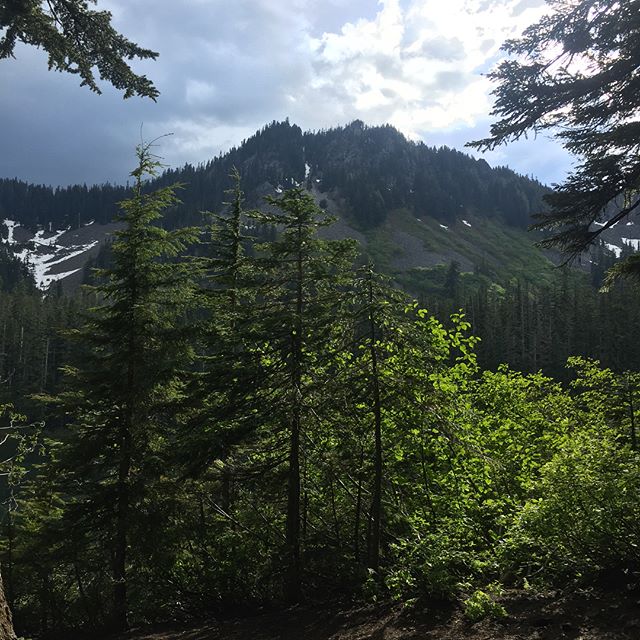
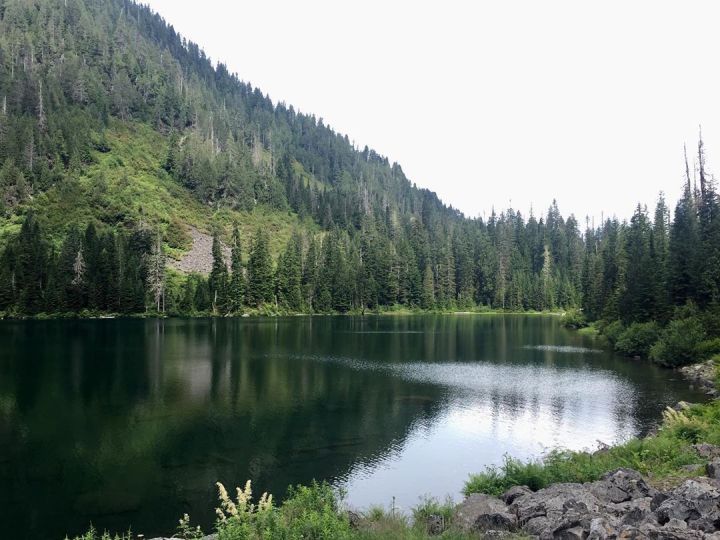
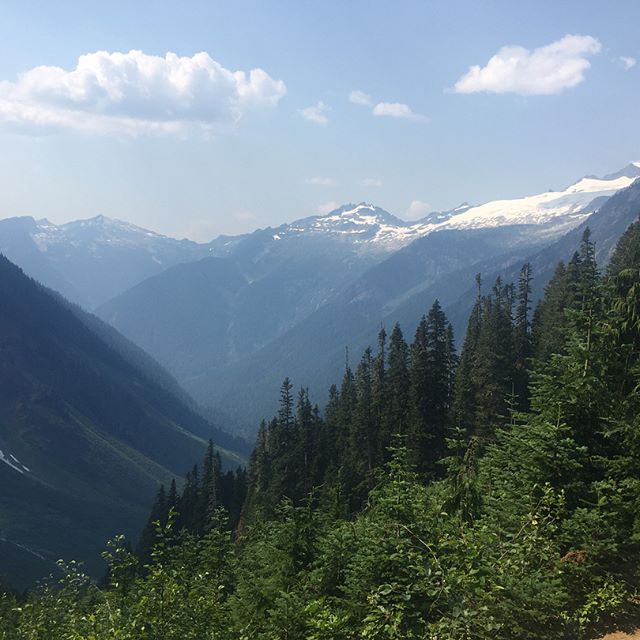
Left – Annette Lake, Central Cascades. Center – Grand Tetons National Park. Right – Hidden Lake Trail – North Cascades National Park
My Hiking Bag
First things first, you need a bag to carry your gear in. When I first started hiking I carried a small drawstring gym bag I got from American Eagle with a purchase of …something.It worked well enough but I had to be careful not to bring too much or the straps would dig into my shoulders and rub.
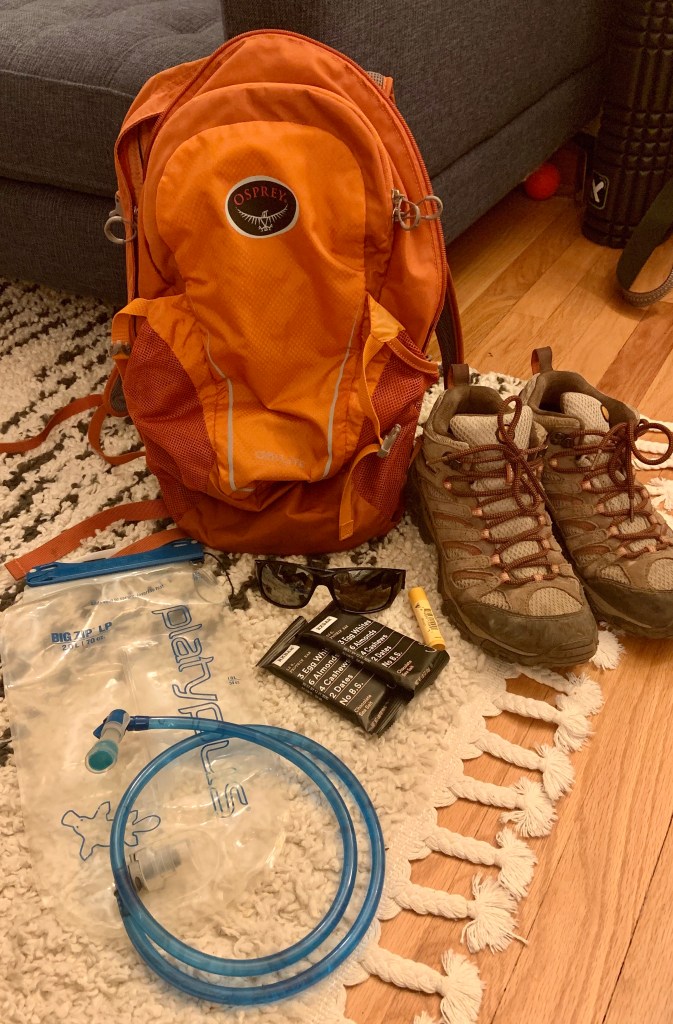
I upgraded to my current Osprey Daylite Pack about three years ago and it may be the best $50 purchase I have ever made. The things I love about this bag are:
- The shoulder, chest, and waist straps make the bag more comfortable and easy to carry.
- It has space for a water reservoir or pockets for bottles, whichever you prefer.
- There is a built in whistle on the chest strap, should you need help or to avoid a bear.
- It has buckles that let you compress the main compartment so you can keep things in place.
- At 20L, It has enough room for gear, snacks, and extra layers for two people.
- Osprey offers a lifetime warranty on their products, and their quality is fantastic.
- Mine is bright orange!
The main features you should look out for are the comfort of the straps, space for water, and durability.
What I Pack
For an average 5-10 mile day hike I pack the following;
A 2L water reservoir – I like my platypus. There is nothing special about it; it works well and has never leaked. Camelback is another popular brand.
Beer – Trust me, a beer or two at the top of the mountain is the perfect reward and the carbs help replenish your energy. Just make sure you don’t overdo it, and be sure to pack out the can or bottle.
Food – You need fuel when you hike. I’ve definitely had my blood sugar crash toward the end of a longer hike and it sucked. Now I typically pack protein bars (RXbars are my favorite), a deli sandwich for the top of the mountain, and cut vegetables and fruit. Carrots, cucumbers, bell peppers, grapes, any kind of melon, and bananas are all staples. They are healthy and hydrating snacks, easy to eat while moving, and they don’t create a mess. I am trying to avoid single-use plastic sandwich bags, so I use my stacking tupperware to carry them. A good alternative to tupperware would be these reusable bags. Definitely avoid glass.
An extra layer – I get cold when I stop moving so I ALWAYS have an extra layer. If you are up in the mountains it’s an essential. Weather can change, or you might be out longer than expected. You’ve been working hard and your body is going to feel cold once you reach the top. There are lots of reasons to bring layers, so make sure that you do.
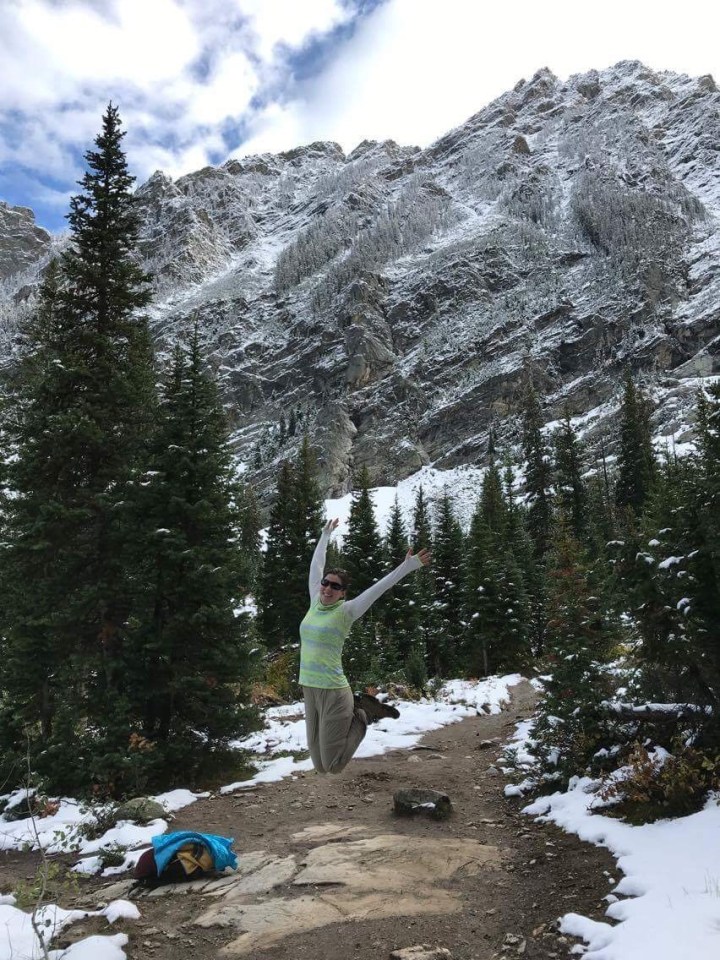
Cascade Canyon Loop, Grand Tetons National Park
Sun protection – I pack sunscreen, sunglasses, lip balm, and a hat. It’s always important to protect your skin, even more so the higher your elevation.
Emergency Supplies – for the average 5-10 mile hike I think a simple first aid kit is just a best practice. Most of the trails I hike are well traveled and I’ve never had any issues, but I have seen other people being carried out by emergency teams. If you are someone who prefers afternoon hikes I would suggest an emergency blanket and a headlamp. Just be prepared and hope you don’t ever need it.
Misc Items – Phone, wallet, keys, a permit if I need it. You could also bring a book, packable hammock, towels, or even floaties if you are going up to a lake. Keep in mind that floaties do add a lot of weight and take up space, and you probably want a manual air pump as well.
This all sounds like a lot to fit in a relatively small bag, but I’ve always been able to make it work, and my bag is none the worse for the abuse.
What I Wear
I almost always wear my Lululemon align pants because they are the most comfortable athletic pants of all time, they keep me at a comfortable temp, and – most importantly – my thighs don’t chafe.
On top I wear a moisture wicking t-shirt or tank top, and I bring my Patagonia fleece or Zella Windbreaker. Patagucci is a spendy brand, and I don’t think you have to go that high end to get something good, but I am impressed with how well mine has held up over the last four years.
If you plan on swimming, don’t forget your suit. I just wear mine on the way up since most places don’t have a spot to change, and I am shy like that.
What’s on My Feet
For a long time I would hike in my old running shoes or athletic sneakers. I think that’s fine for shorter, easier trails. As my hikes got longer and steeper I would roll my ankles more on the rocks and tree roots. I finally invested in a pair of Merrell moab mid hiking boots and they are really good for ankle stabilization, but I’m not 100% happy with these, I’m not sure if I should have sized up or if my socks are the issue. I always have blisters after a longer hike, always in the same spots. I’ve been given conflicting advice from other hikers and the folks at REI. I think it just takes a good amount of trial and error to find the right shoe.
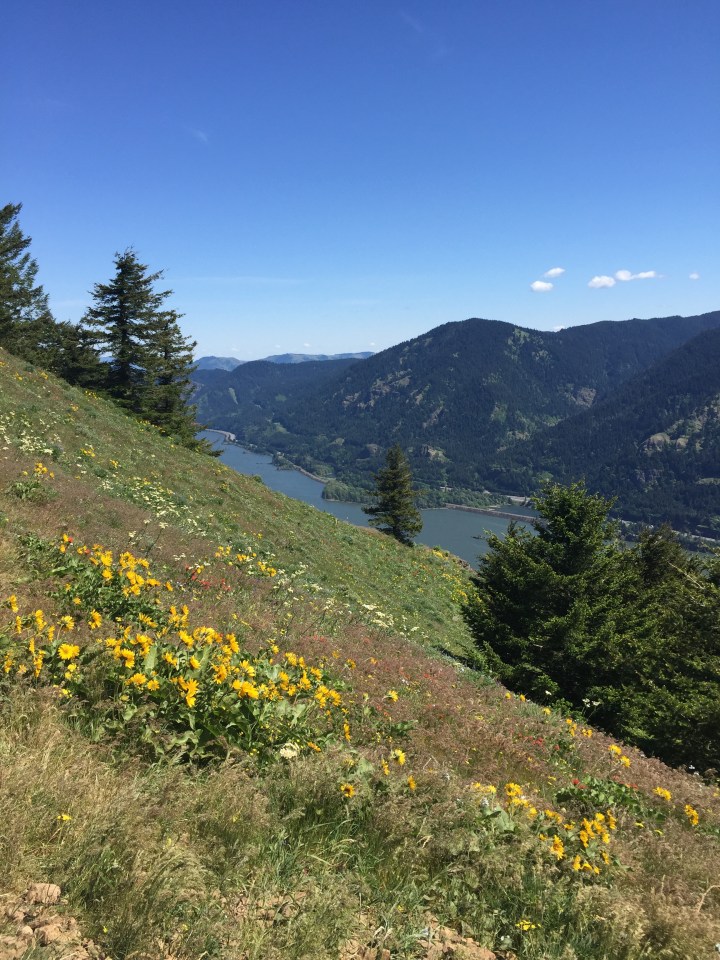
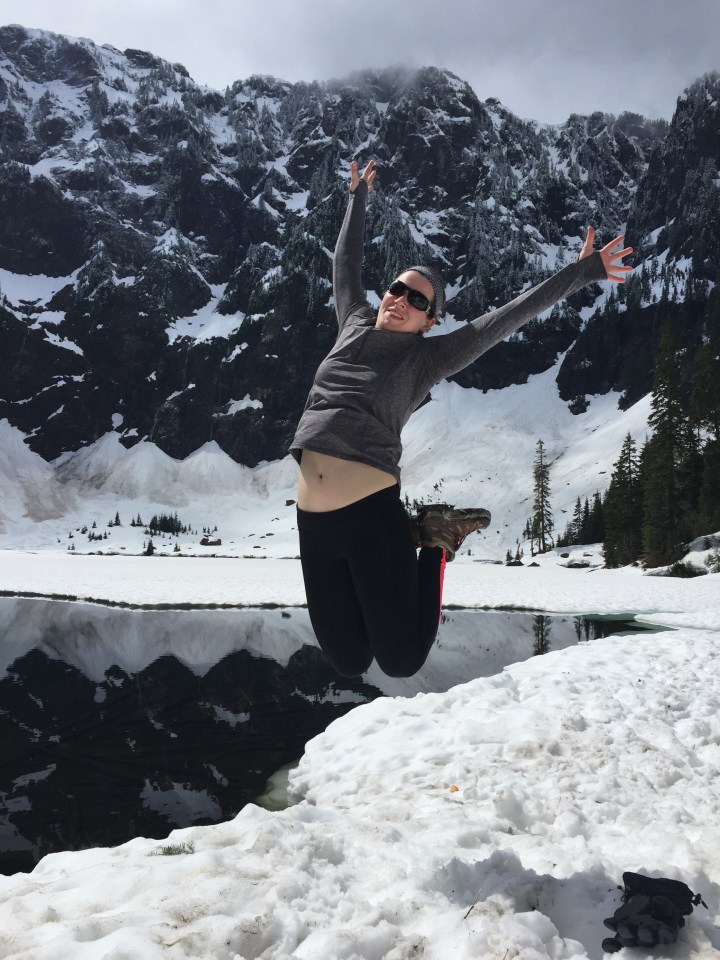
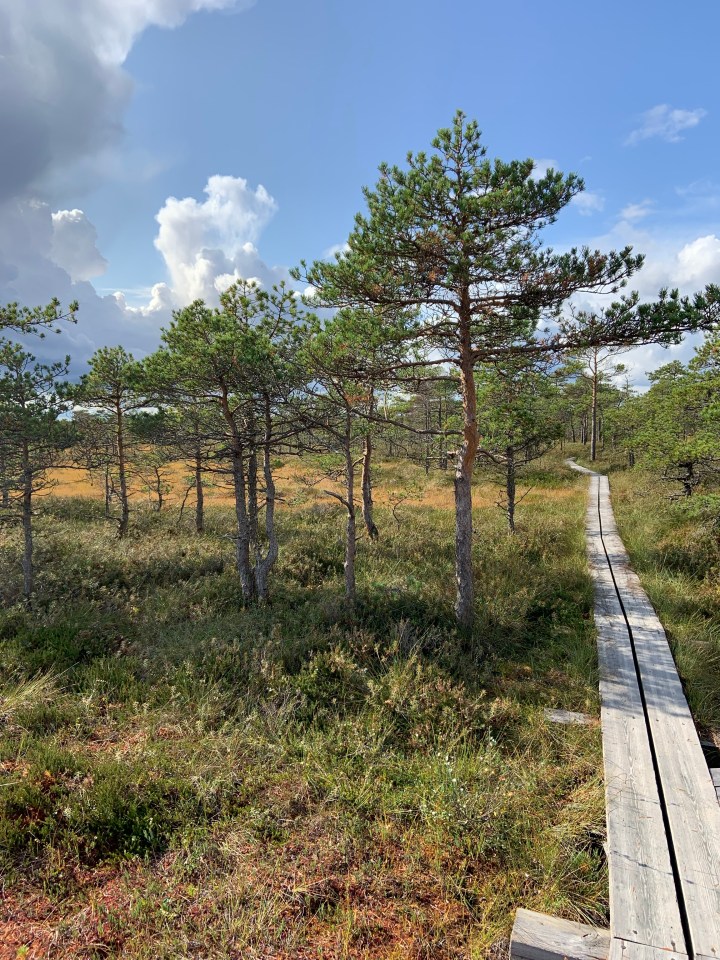
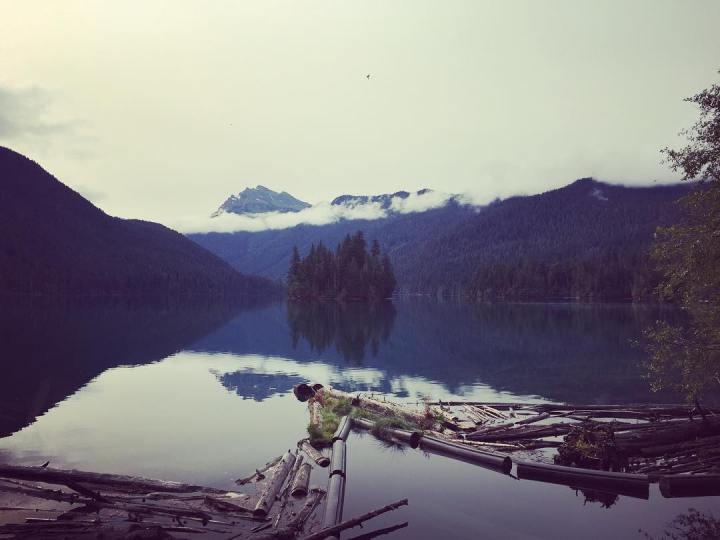
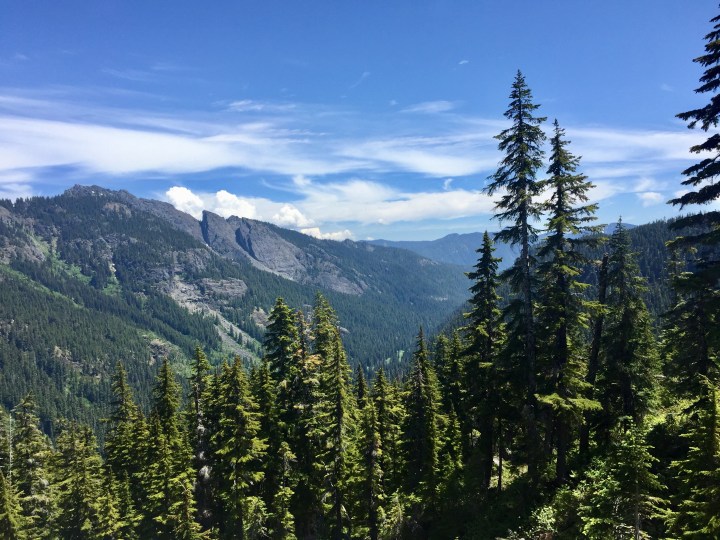
Top Left – Dog Mountain. Top Center – Lake 22. Top Right – A bog boardwalk, somewhere in Estonia.
Bottom Left – I forgot he name of this trail, but it’s around Mt. Rainier. Bottom Right – Mt Pilchuck.
What I Use to Find My Hikes
In Washington we have the Washington Trails Association App and website. It’s a great resource with a good user experience. I particularly appreciate the trip reports. I ALWAYS check to see what the most recent report is before I go. Many a plan has been changed because a tree fell down or there was snow late in the season.
Another good resource is AllTrails. You can keep track of your hikes, see pictures, and find trails all over the world.
Those are the two resources I know best, but it’s easy to find information specific to your area on google.
If you don’t have transportation or people to hike with, consider reaching out to your local outdoor gear store, or look for a local meet up. There are a lot of groups that help connect people with the same interests, and it’s a great way to make friends and catch a ride.
I hope some of this information is helpful to anyone who is looking to spend time out on the hiking trails. This list is a good starting point but don’t feel like you have to have a nice bag and boots to get out there. It’s just a list of the things I’ve found make for a better experience for me.
Have fun and thanks for reading!
 Rainy Day Rags